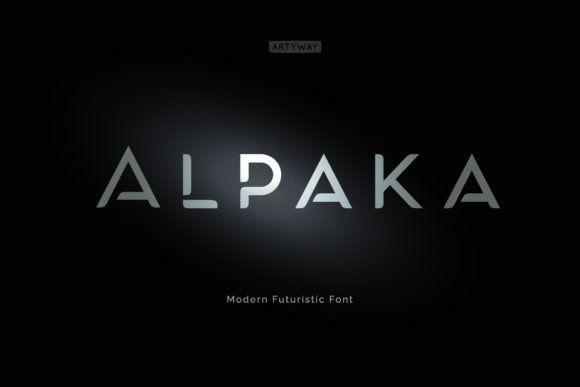
Alpaka: A Minimalist and Futuristic Display Font
Alpaka is a display font that blends minimalist design with a futuristic aesthetic. Its clean lines and modern structure make it ideal for projects that demand visual clarity and a contemporary feel. Whether you're designing a logo, crafting a website, or creating a marketing campaign, Alpaka offers a unique way to express your vision.
For many designers, the right font can transform a project from ordinary to extraordinary. Alpaka stands out by combining simplicity with sophistication, making it a versatile choice across various applications. Its adaptability ensures it can fit into both bold statements and subtle details, depending on how it's used.
Why Different Audiences Care About Alpaka
Designers, marketers, and business owners often look for fonts that are both visually appealing and functional. Alpaka meets these needs by offering a balance between form and function. For beginners, its straightforward design makes it easy to work with, while professionals may appreciate its ability to elevate high-end projects.
Entrepreneurs might use Alpaka to create a brand identity that feels modern and trustworthy. Educators could incorporate it into presentations or course materials to engage students with a fresh visual style. Hobbyists and creators may find it useful for personal projects, such as digital art or social media content.
How Beginners Might Approach Alpaka
If you're new to typography, Alpaka can be an excellent starting point. Its minimalist nature means it doesn't require complex adjustments to look good. Beginners can experiment with different sizes, weights, and colors to see how the font performs in various contexts.
For example, a student working on a school project might use Alpaka for a poster or presentation to add a professional touch without needing advanced design skills. The font’s legibility also helps ensure that the message remains clear, even when used in smaller sizes.
What Professionals Value in Alpaka
Experienced designers and developers often prioritize flexibility and quality. Alpaka delivers on both fronts, offering a wide range of weights and styles that can be tailored to specific needs. Its clean design allows it to pair well with other fonts, making it a valuable addition to any typographic toolkit.
A graphic designer working on a branding project might choose Alpaka for its ability to convey a sense of innovation and modernity. Similarly, a web developer could use it for headings or call-to-action buttons to create a visually striking interface without compromising on readability.
Alpaka for Business Owners and Marketers
Business owners looking to build a strong brand presence may find Alpaka useful for creating consistent visual identities. Its futuristic look can help differentiate a brand in competitive markets, especially in industries like tech, fashion, or creative services.
Marketers might use Alpaka in advertisements or social media posts to capture attention and convey a forward-thinking message. Its versatility allows it to work well in both digital and print formats, ensuring a cohesive brand image across all platforms.
Alpaka for Educators and Students
Teachers and educators can benefit from using Alpaka in lesson plans, presentations, or educational materials. Its clean and structured design can help students focus on content rather than distractions. For instance, a teacher might use Alpaka in a PowerPoint slide to present information in a more engaging way.
Students working on digital projects, such as blogs or portfolios, can use Alpaka to add a professional edge to their work. It’s a great way to demonstrate attention to detail and a commitment to quality.
Alpaka for Creators and Hobbyists
Creatives and hobbyists often seek fonts that inspire and reflect their unique style. Alpaka’s minimalist and futuristic approach can serve as a source of inspiration for artists, illustrators, and content creators. Whether designing a personal blog, a portfolio site, or a digital artwork, Alpaka adds a touch of elegance and modernity.
A hobbyist working on a DIY project might use Alpaka for labels, signs, or handmade items to give them a polished look. Its adaptability makes it suitable for both digital and physical applications, allowing users to explore its potential in various ways.
Alpaka for Consumers and Everyday Use
Even consumers who aren’t designers can appreciate the visual impact of Alpaka. It’s often used in product packaging, signage, or promotional materials where a sleek and modern appearance is desired. For example, a small business owner might use Alpaka on a storefront sign to attract attention and create a memorable impression.
Consumers may not always think about fonts, but they often respond to visual cues that suggest quality and professionalism. Alpaka can subtly influence perceptions, making it a powerful tool for those who want to make a statement through design.
Choosing Alpaka Based on Your Needs
When deciding whether Alpaka is right for your project, consider your goals, skill level, and the context in which it will be used. If you’re looking for a font that balances simplicity with style, Alpaka could be an excellent choice. However, if you need something more traditional or highly customizable, other options may better suit your needs.
It’s also important to evaluate factors like availability, licensing, and compatibility. Ensure that the font works well with your design software and meets any legal requirements for commercial use. Testing it in real-world scenarios can help you determine if it aligns with your expectations.