How Why: A Cheerful and Modern Display Font for Creative Projects
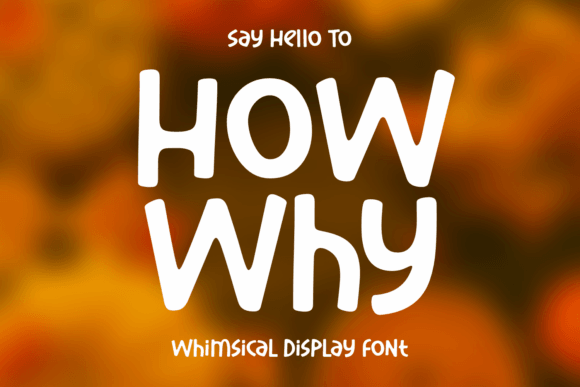
When it comes to typography, the right font can make all the difference in a design. How Why is a display font that stands out with its cheerful and modern aesthetic, making it a go-to choice for designers looking to add a touch of personality to their work. Whether you're working on branding, cards, or paper crafts, this typeface offers a unique blend of charm and versatility.
What Makes How Why Stand Out?
How Why is more than just a font—it's a statement. Its playful curves and clean lines give it a contemporary feel that appeals to a wide range of audiences. The font’s design balances simplicity with character, ensuring it remains legible while still capturing attention. This makes it ideal for projects where visual impact is key.
One of the standout features of How Why is its ability to convey emotion through typography. The subtle variations in stroke weight and the gentle rounding of letters create a sense of warmth and approachability. This quality makes it particularly effective for designs that aim to connect with viewers on an emotional level.
Applications of How Why in Design
Designers often turn to How Why when they need a font that can elevate the visual appeal of their work without overwhelming it. For instance, in branding initiatives, this font can be used for logos, taglines, or promotional materials. Its modern look aligns well with contemporary brand identities, helping to establish a fresh and innovative image.
In paper crafts, How Why adds a personal touch that enhances the overall aesthetic. Whether it's for handmade cards, scrapbooks, or custom invitations, the font’s charm brings a sense of authenticity and creativity to each project. Its readability ensures that the message remains clear, even when used in smaller sizes.
For posters and flyers, How Why can serve as a headline font that draws attention and sets the tone for the content. Its distinctive style helps to differentiate a design from others, making it more memorable. This is especially valuable in environments where visual competition is high, such as in advertising or event promotions.
How Why Fits Into Modern Workflows
The rise of digital design tools has made it easier than ever to experiment with different fonts, and How Why fits seamlessly into this landscape. Many design platforms now offer access to a wide range of fonts, including How Why, allowing users to incorporate it into their projects with minimal effort. This accessibility means that even those new to typography can benefit from its unique qualities.
Moreover, How Why is compatible with various file formats, making it easy to use across different mediums. Whether you're designing for print or digital, this font maintains its clarity and visual appeal. This flexibility is a major advantage for designers who work on multiple projects simultaneously.
Another benefit of How Why is its adaptability. It works well in both large and small text sizes, which is essential for designers who need to maintain consistency across different elements of a project. This adaptability also makes it suitable for a variety of industries, from fashion and lifestyle to technology and education.
Practical Benefits of Using How Why
One of the main advantages of How Why is its ability to enhance the visual hierarchy of a design. By using this font for headings or key messages, designers can guide the viewer’s eye and emphasize important information. This is particularly useful in layouts where clarity and structure are crucial.
Additionally, How Why can help create a cohesive look across different design elements. When paired with other fonts, it can provide a balanced contrast that adds depth to a composition. This is especially effective when combining How Why with more traditional or minimalist typefaces.
For businesses and individuals looking to build a strong visual identity, How Why offers a way to express personality and creativity. Its unique style allows for differentiation in a crowded market, making it a valuable asset for any designer or brand.
Considerations When Choosing How Why
While How Why has many strengths, it’s important to consider how it will fit into your specific project. For example, if you’re designing for a professional or formal setting, the font’s playful nature might not be appropriate. In such cases, it’s best to pair How Why with more subdued fonts to achieve the right balance.
Another consideration is the context in which the font will be used. If the design is intended for a broad audience, it’s wise to test How Why in different scenarios to ensure it remains readable and effective. This includes checking how it appears on various devices and in different lighting conditions.
Finally, it’s worth exploring the availability of How Why in different languages and scripts. While the font may be available in Latin characters, its support for other writing systems can vary. This is an important factor for designers working on international projects or targeting diverse audiences.
How Why in Real-World Scenarios
Take, for example, a small business owner looking to create a marketing campaign. By using How Why in their social media posts and email newsletters, they can create a consistent and engaging visual identity that resonates with their target audience. The font’s friendly appearance helps to build trust and connection, which is essential for customer retention.
Another scenario involves a graphic designer working on a children’s book. Here, How Why could be used for chapter titles or illustrations, adding a whimsical touch that complements the story’s tone. Its readability ensures that young readers can easily follow along, while its charm keeps them engaged.
Even in more technical fields, such as user interface (UI) design, How Why can be used effectively. For instance, it might be employed in app interfaces to highlight important buttons or notifications, creating a more intuitive and enjoyable user experience.