Maylah: Elevate Your Typography with Elegance and Versatility
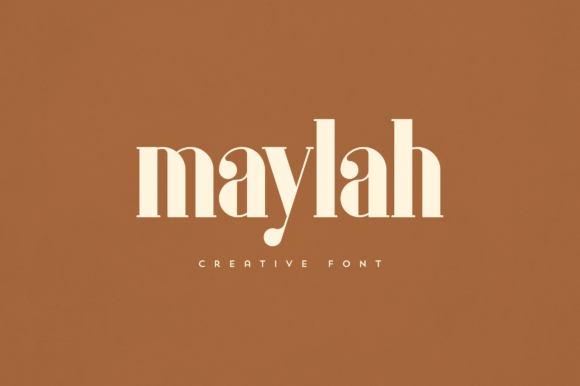
Maylah is more than just a font—it's a strategic tool for anyone looking to enhance their visual communication. This elegant and versatile display font offers a unique aesthetic that can transform logos, headlines, branding materials, and more. Whether you're working on a professional project or a personal design, Maylah provides the sophistication needed to make your typography stand out.
Choosing the right font is a critical decision in any design process. It affects how your message is perceived, how your brand is recognized, and how your audience interacts with your content. Maylah was designed with these considerations in mind, offering a balance between style and readability that makes it suitable for a wide range of applications.
Strategic Value of Maylah in Branding and Design
For entrepreneurs, marketers, and designers, the importance of consistent and compelling branding cannot be overstated. Maylah serves as an excellent choice for creating a cohesive brand identity. Its clean lines and refined curves lend themselves well to both modern and classic aesthetics, making it adaptable to various industries and target audiences.
When used effectively, Maylah can help establish a strong visual presence. For instance, in product packaging, it can convey a sense of quality and attention to detail. In magazine headers, it can draw readers in with its distinctive character. The font’s versatility ensures that it remains relevant across different mediums and formats.
However, the strategic use of Maylah requires more than just selecting it from a list. It demands a thoughtful approach to ensure it aligns with your overall design goals. Understanding when and how to apply it is key to achieving the desired impact.
When to Use Maylah: Practical Applications
Maylah excels in situations where visual appeal and clarity are equally important. Consider using it for:
- Logos and Branding: Maylah adds a touch of elegance that can reinforce your brand's personality and values.
- Headlines and Titles: Its striking appearance makes it ideal for capturing attention in headlines, whether in print or digital media.
- Product Packaging: The font’s refined look can elevate the perception of your products, especially in premium or artisanal markets.
- Website Headers: Using Maylah on your website can create a memorable first impression and improve user engagement.
- Print Materials: From business cards to posters, Maylah brings a level of sophistication that can set your designs apart.
Each of these applications requires a tailored approach. For example, while Maylah works well as a headline, it may not be the best choice for body text due to its decorative nature. Understanding the context in which it will be used is essential to maximizing its effectiveness.
How to Approach Maylah: Best Practices
Before incorporating Maylah into your design, consider the following steps to ensure it supports your objectives:
- Define Your Goals: What do you want to achieve with this font? Is it to create a strong brand identity, attract attention, or communicate a specific message?
- Understand Your Audience: Who will be viewing your design? How will they respond to the font’s style and tone?
- Test Different Sizes and Weights: Maylah comes in multiple weights, so experimenting with these can help you find the best fit for your needs.
- Pair It with Complementary Fonts: While Maylah is visually striking, it often works best when paired with simpler fonts for contrast and balance.
- Consider Readability: Ensure that the font remains legible in the intended context, especially at smaller sizes or on different backgrounds.
By taking these steps, you can make informed decisions about how to use Maylah in a way that enhances your design rather than detracts from it.
Strategic Observations: Long-Term Value of Maylah
The long-term value of Maylah lies in its ability to adapt and remain relevant over time. Unlike some fonts that may feel outdated or overly trendy, Maylah maintains a timeless quality that can support your branding efforts for years to come.
For businesses and professionals, consistency in visual elements is crucial for building recognition and trust. By using Maylah consistently across all brand materials, you can create a unified and professional image that resonates with your audience.
Moreover, Maylah can be a valuable asset in creative projects that require a balance between artistry and functionality. Whether you're designing a website, developing a marketing campaign, or creating a publication, the font’s flexibility allows it to serve as a central element that ties the entire design together.
Risks of Using Maylah Without Clear Intent
While Maylah is a powerful tool, it’s important to recognize that it can also be misused. Randomly applying it without a clear purpose can lead to confusion, inconsistency, or a lack of focus in your design.
One common risk is overuse. If Maylah appears too frequently or in inappropriate contexts, it can lose its impact and become distracting. Similarly, using it in low-contrast environments—such as dark backgrounds or busy layouts—can reduce its readability and effectiveness.
To avoid these pitfalls, it’s essential to approach Maylah with intention. Ask yourself: Does this font align with my brand’s voice? Will it enhance the message I’m trying to convey? How does it fit within the broader design strategy?
Conclusion: Intentional Use of Maylah for Better Outcomes
Maylah is a font that offers both beauty and practicality. When used with care and purpose, it can significantly enhance your design work and contribute to your overall success. However, its true potential is unlocked only when it’s integrated thoughtfully into your creative process.
By understanding its strengths, considering its limitations, and applying it strategically, you can leverage Maylah to achieve better results in your branding, communication, and design efforts. Whether you’re a small business owner, a marketer, or a designer, Maylah can be a valuable ally in your pursuit of excellence.