Tommy Paper: A Fun and Cool Display Font for Kid-Friendly Designs
When it comes to creating eye-catching designs for children, the right font can make all the difference. Tommy Paper is a display font that stands out for its playful and creative style, making it ideal for a variety of kid-friendly projects. This article explores what Tommy Paper is, why it might be a good choice, and how it compares to other fonts in terms of suitability for different design needs.
What Is Tommy Paper?
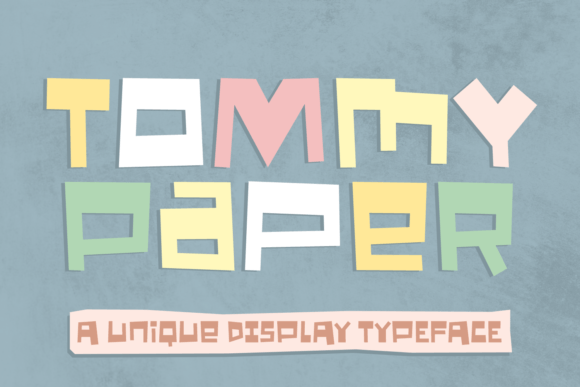
Tommy Paper is a unique display font designed with a casual, hand-drawn aesthetic. It features irregular shapes and a slightly messy appearance that gives it a whimsical feel. The font is particularly suited for projects that aim to convey a sense of fun, creativity, and approachability. Its design often mimics the look of handwritten text, which adds a personal touch to any project.
While not as structured as traditional serif or sans-serif fonts, Tommy Paper offers a distinctive visual appeal that can enhance the overall look of designs targeting younger audiences. It is commonly used in areas such as t-shirt printing, baby clothing, nursery decor, and digital artwork.
Why Consider Tommy Paper?
For designers looking to create content that resonates with children or parents, Tommy Paper can be an effective tool. Its informal style helps to communicate a sense of warmth and playfulness, which is essential in many kid-focused projects. Whether designing a birthday card, a school project, or a custom T-shirt, this font can add a unique flair that sets the design apart.
Additionally, Tommy Paper is versatile enough to work in both digital and print formats. Its legibility at larger sizes makes it suitable for signage, posters, and other applications where readability is important. However, it may not be the best choice for small text or long paragraphs due to its stylized nature.
Benefits of Using Tommy Paper
One of the main advantages of Tommy Paper is its ability to evoke a sense of fun and creativity. This makes it an excellent choice for projects aimed at children, as it can help capture their attention and make the design more engaging. The font’s informal look also works well for casual or laid-back themes, such as those found in children's books, party invitations, or themed decorations.
Another benefit is its ease of use. Most design software allows users to easily apply this font, and it typically comes with a range of weights and styles that can be adjusted to fit different design needs. This flexibility makes it accessible to both novice and experienced designers.
Tradeoffs and Considerations
Despite its appealing characteristics, Tommy Paper may not be suitable for every design project. Its informal style can sometimes come across as unprofessional, especially in contexts where a more polished look is required. For example, business cards, formal documents, or corporate branding materials may not benefit from this font’s playful appearance.
Readability is another factor to consider. While the font is clear at larger sizes, it may become difficult to read when used in smaller point sizes or in dense blocks of text. Designers should test the font in different sizes and formats to ensure it meets their specific needs.
Situations Where Tommy Paper Is a Strong Fit
Tommy Paper excels in situations where a casual, fun, and creative tone is desired. It is particularly effective for designs that target children, such as baby onesies, children’s books, or classroom materials. Its hand-drawn style can also add a personal touch to digital art, social media graphics, and greeting cards.
For independent designers or small businesses looking to stand out, Tommy Paper can provide a unique identity that differentiates their work from others. It is also a great option for DIY projects, where a personalized and handmade feel is valued.
When Alternatives Might Be Better
In cases where a more professional or refined appearance is needed, alternatives such as serif or sans-serif fonts may be more appropriate. Fonts like Arial, Helvetica, or Times New Roman offer greater clarity and versatility for a wide range of applications. Similarly, if a designer is aiming for a modern or minimalist look, other display fonts with cleaner lines may be a better choice.
For projects that require high levels of readability, such as instructional materials or signage, a more structured font could be preferable. It’s important to evaluate the purpose of the design and the intended audience before selecting a font.
Practical Decision-Making Insights
When deciding whether to use Tommy Paper, consider the following factors: the target audience, the context of the design, and the desired tone. If the goal is to create something playful and engaging for children, this font can be an excellent choice. However, if the design requires a more formal or professional look, alternative fonts may be more suitable.
It’s also helpful to experiment with the font in different settings. Testing it on various devices, in different sizes, and alongside other elements can provide valuable insights into its effectiveness. Additionally, seeking feedback from others can help determine whether the font aligns with the overall vision of the project.
Ultimately, the decision to use Tommy Paper should be based on how well it supports the goals of the design. By carefully evaluating its strengths and limitations, designers can make informed choices that lead to successful and visually appealing outcomes.